
-
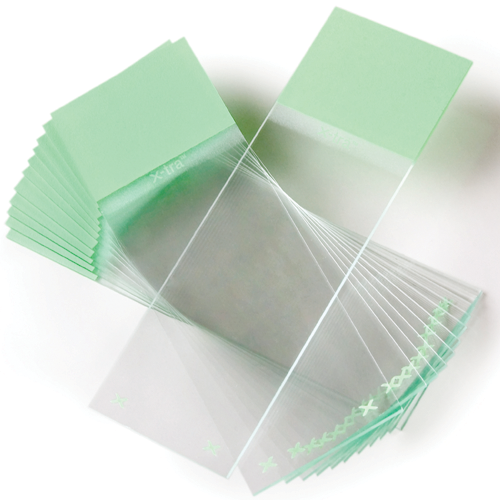 X-tra Slides have a positive charged surface which helps to bond tissue sections and cytology preparations. X‐tra slides are used for demanding H&E procedures that require tissue adhesion. Size: 1” x 3” x .04” (unless otherwise noted)
 -
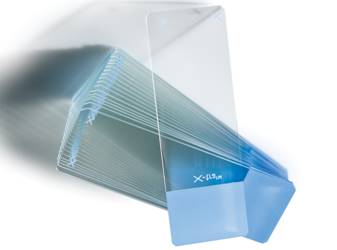 X-tra Clipped Corner Slides are clipped at 45° angles to help reduce glass breakage and fragmentation when loaded into slide printers.
 -
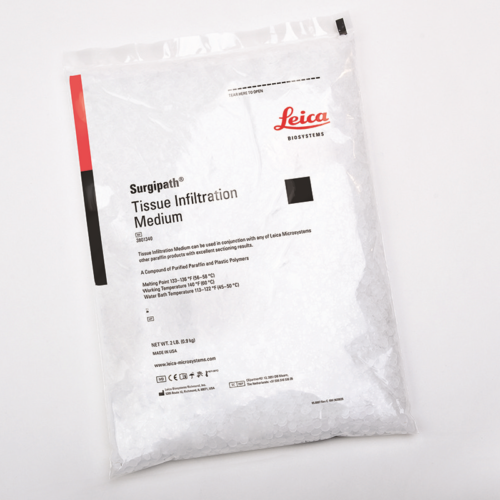 Tissue Infiltration Medium is a special formulation of purified paraffin and plastic polymers for infiltration or embedding.
 -
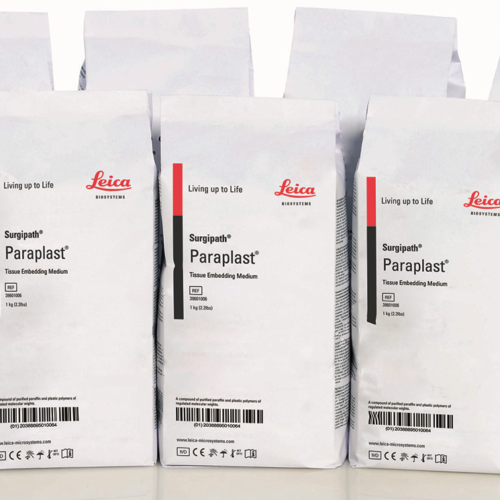 Paraplast is recommended for general tissue embedding. It is composed of a refined mixture of highly purified paraffin containing plastic polymers of regulated molecular weights.
 -
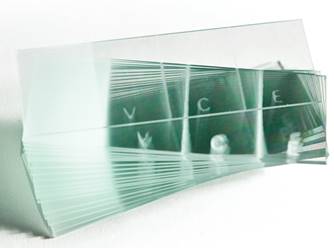 The VCE has two vertical stripes dissecting the slide into three sections allowing vaginal, cervical and endocervical sampling on the same slide. The fully frosted side is completely frosted on one side and is used for body fluid specimens.
 -
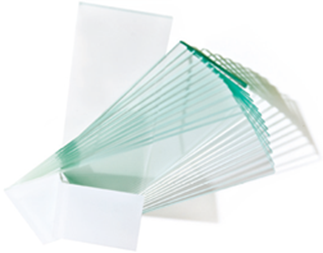 Snowcoat Pearl slides are cost efficient slides, available in five colors for color-coded identification within the laboratory.
 -
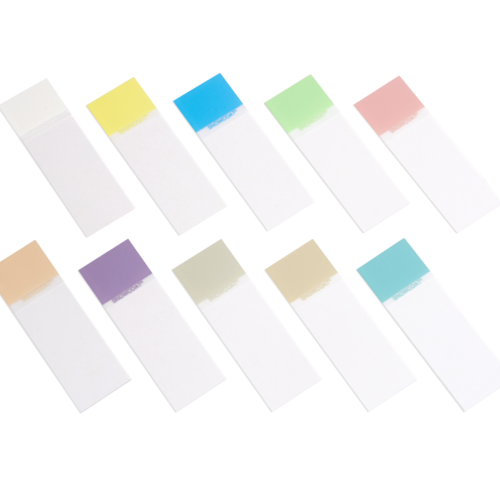 Snowcoat Microscope Slides contain a colored marking area on the surface of the slide to facilitate easy marking/printing and color-coded identification.
 -
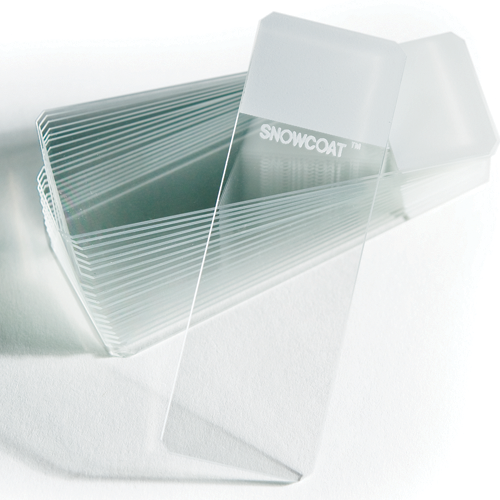 Snowcoat Clipped Corner Slides are clipped at 45° angles to help reduce glass breakage and fragmentation when loaded into slide printers.
 -
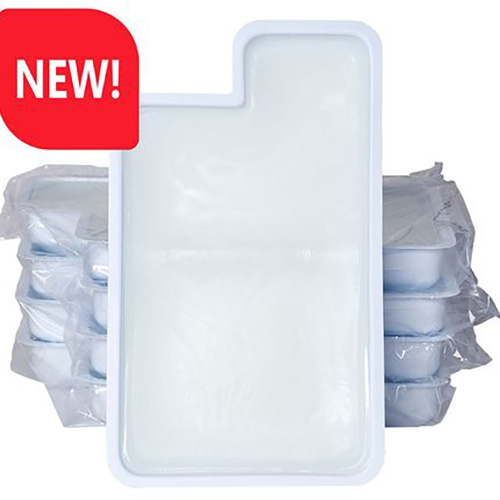 The preformed blocks fit easily into the paraffin chamber of the Leica PELORIS Tissue Processor and will melt faster than pellets or flakes.
 -
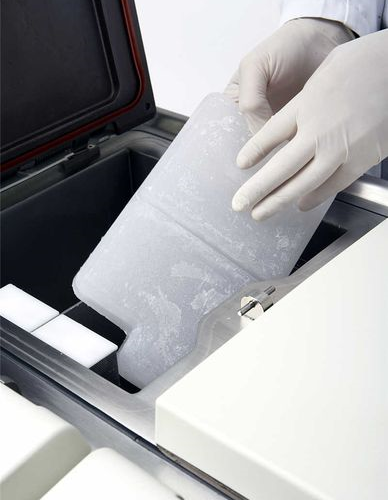 PELORIS Parablocks are pre-formed blocks of paraffin that are provided in plastic molds. The preformed blocks fit easily into the paraffin chamber of the PELORIS Tissue Processor and will melt faster than pellets or flakes.
 -
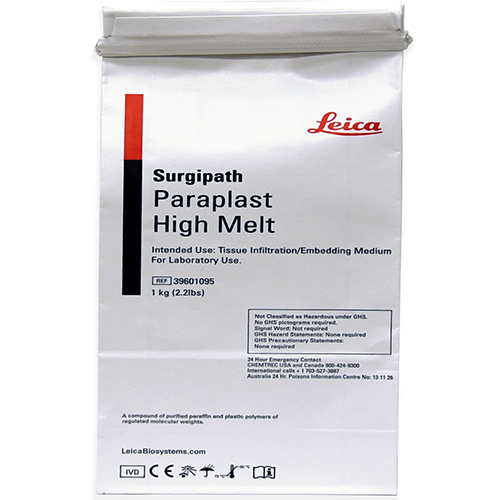 Paraplast High Melt embedding media is made from a combination of highly purified wax and plastic polymers of regulated molecular weights.
 -
 Paraffin wax formulations developed with consistent quality and dependability to minimize tissue distortion and provide exceptional compression resistance and ribbon continuity.
 -
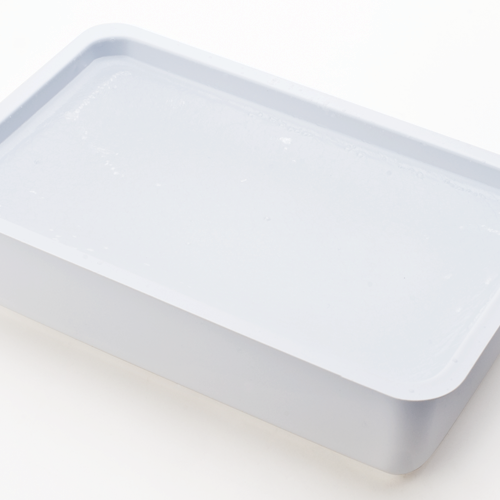 Parablocks ASP are pre-formed blocks of paraffin that are provided in plastic molds. The preformed blocks fit easily into the paraffin chamber of the ASP Tissue Processor.
 -
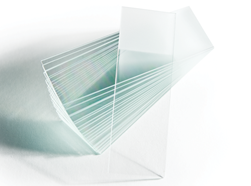 High‐quality sheet glass, manufactured under strict specifications and quality control procedures. Plain and frosted ground versions available.
 -
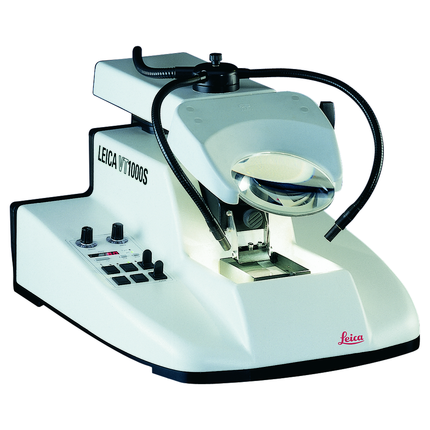 The Leica VT1000 S vibrating blade microtome is the instrument of choice for high-quality sectioning requirements in neurophysiology, neuropathology experimental pathology), Botany (roots and plants) and Industry (foams).
 -
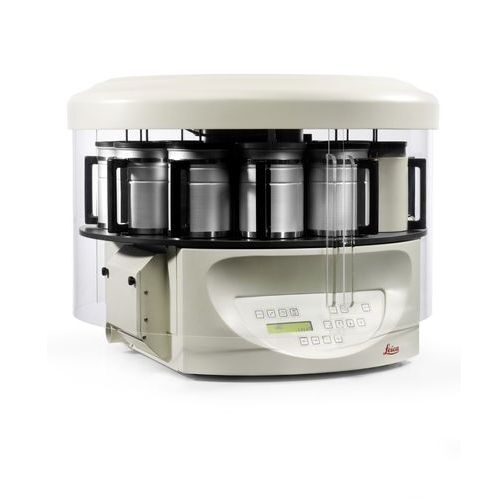 The Leica TP1020 tissue processor is available in four configurations: the basic instrument, the basic instrument with vacuum, the basic instrument with a fume control system and the basic instrument with both vacuum and fume control. Gentle specimen processing and a high level of specimen safety at all stages of the processing run are supported by the robust design based on precision mechanics in conjunction with a modern user interface.
 -
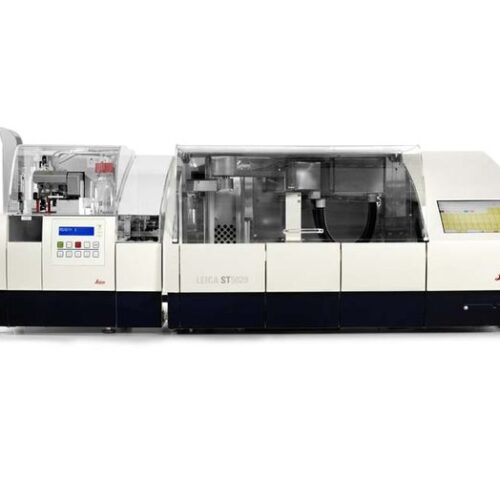 Premium specimen staining and coverslipping with an unmatched combination of ease of use, flexibility, productivity, and environmental friendliness Enjoy the benefit of LEAN workflows, achieved with Leica Microsystems' patented CodeRack™ technology.
 -
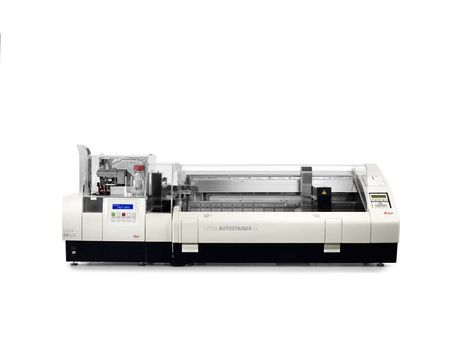 Increase your laboratory productivity with Leica Biosystems’ fully automated instruments providing high-quality staining, and superior glass coverslipping for routine H&E and Cytology.
 -
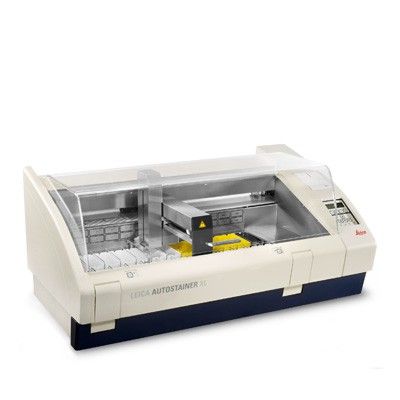 The proven Autostainer XL continues to provide reproducible, consistent, high-quality staining and increased workload throughput.
 -
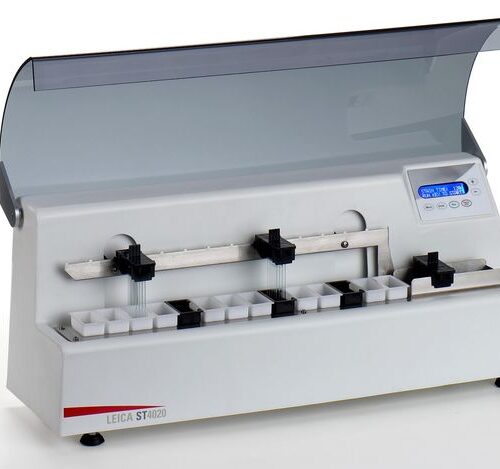 Leica ST4020 Small Linear Stainer delivers consistent quality in a compact design.
 -
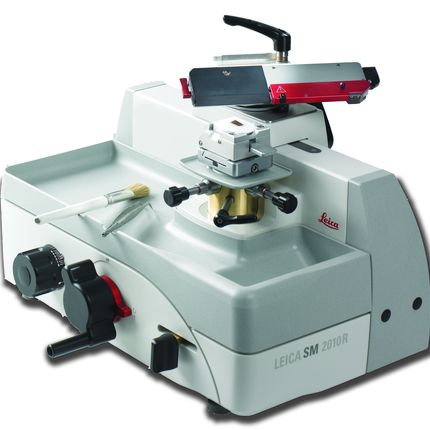 With smooth movement of the sledge, precision specimen orientation, and emphasis on safety and ergonomics, the SM2010 R produces high quality sections for routine histopathology (paraffin). The stable sliding microtome has a totally enclosed micrometer feeding system with an ergonomically positioned object head close to the user. The smooth-running sledge can be locked in 11 positions by using the easily accessible sledge brake.
 -
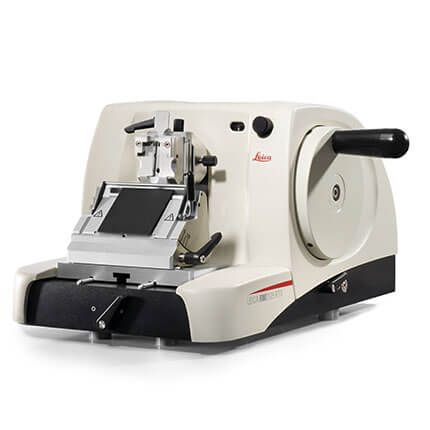 The RM2125 RTS manual microtome has the essential features you need for safe, economic sectioning and optimized workflows.
 -
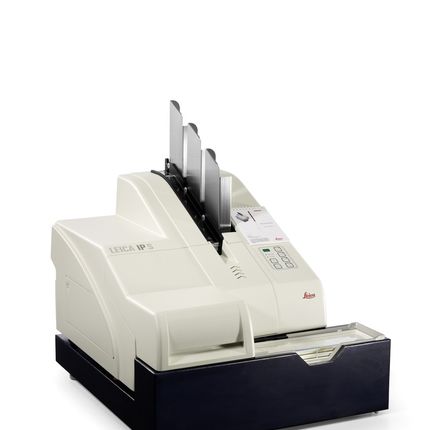 The Leica IP S imprints standard microscope slides, taking only four seconds per imprint when running in serial mode. A patented ink, specially designed for Leica Microsystems, makes imprints resistant to chemical exposure and physical wear. Whether alphanumeric characters, barcodes or logos, the print resolution is always excellent with good legibility. A specific advantage of barcode imprints is the tracking possibility of the probe within the complete histology workflow and additionally the reliable archiving with quick and accurate case identification. An optional external magazine is available to pre-load slides.
 -
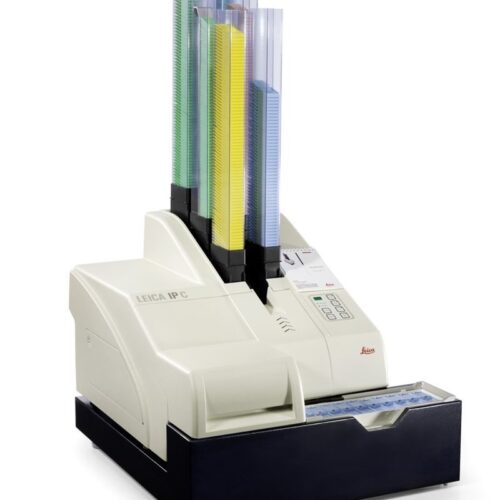 The Leica IP C has been designed for versatile printing of tissue cassettes, including cassettes with lids and two different imprint angles.
 -
 The Leica CV5030 fully automated glass coverslipper produces slides with superior optical quality for reliable long-term storage. Its capability of handling a large variety of slide racks from different suppliers makes the Leica CV5030 very flexible. Most common mounting media, including xylene-free varieties, can be used. The operator can choose wet or dry coverslipping. The CV5030’s performance achieves three goals: Highly consistent and reliable coverslipping quality, full adaptation to individual laboratory set-ups, integration into staining/coverslipping workstations to form a fully automated, user-friendly operation system.
 -
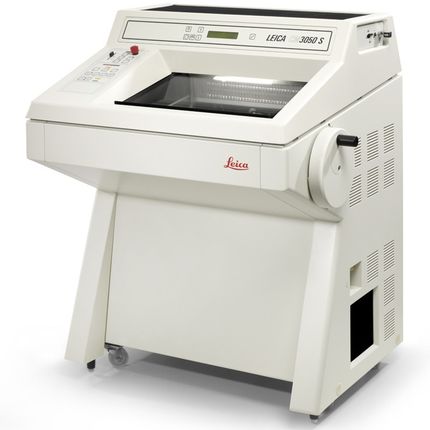 Primarily designed for the demanding needs of cryosectioning in biomedical, neuro-anatomical and pharmaceutical research. The Leica CM3050 S cryostat features superior user comfort with excellent safety standards for practically all types of cryosectioning applications. It is the instrument of choice for all research applications and for advanced clinical cryosectioning needs. Particularly when working with delicate specimens – for example brain samples in neuroscience – the precise specimen orientation and the specimen feed system guarantees reproducible, thin, serial sections of maximum quality.
 -
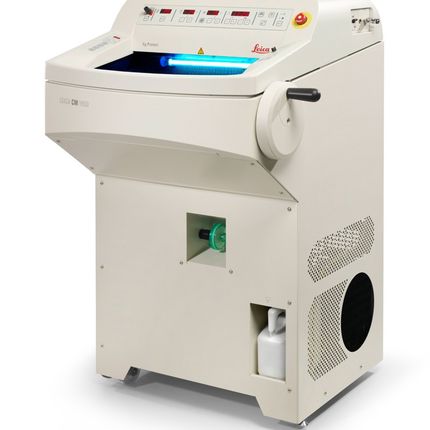 Leica CM1950 cryostat design is the result of extensive customer consultations.
 -
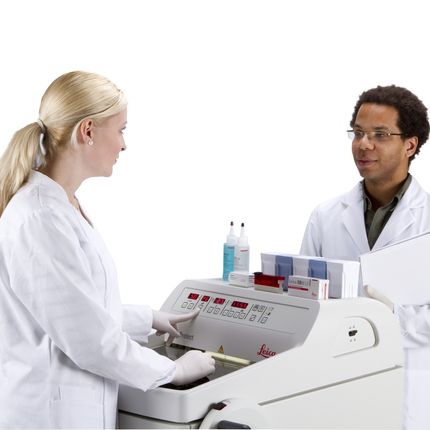 The Leica CM1860 UV, developed with an emphasis on diagnostic confidence, safety and ergonomics, is the cryostat for histopathology laboratory applications. The high-throughput cryostat creates diagnostic confidence by reliably producing quality sections that help provide an accurate diagnosis.
 -
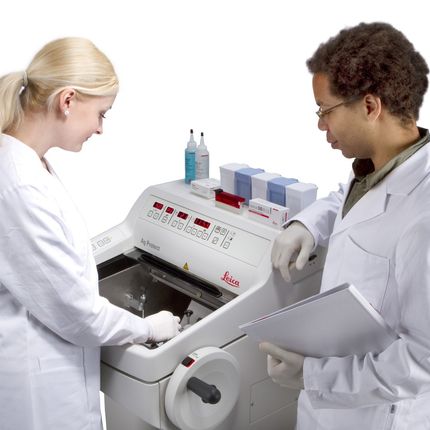 Leica CM1950 is the cryostat for Standard Applications in the Clinical Histopathology Laboratory. It is your perfect assistant for high-quality, fast and safe sectioning. This high-throughput cryostat delivers diagnostic confidence by reliably producing quality sections to help provide an accurate diagnosis - even with the most complicated tissue types.
 -
 The Leica CM1520 is the best-value cryostat available for cryosectioning including critical applications such as Mohs surgery. The Leica CM1520 delivers high-quality sections the fast, simple and efficient way. Time is crucial when sectioning frozen specimens. An actively cooled quick freezing shelf with defrost function and a powerful refrigeration system are provided to get rapid results.
 -
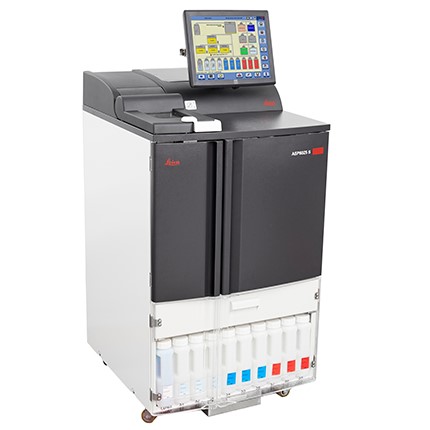 The New ASP6025 S is designed to improve your lab’s performance with quality-driven technology that optimizes tissue processing performance and supports rapid processing. Designed for increased performance and reliability, the new ASP6025 S processes up to 300 cassettes simultaneously for faster turnaround times.
 -
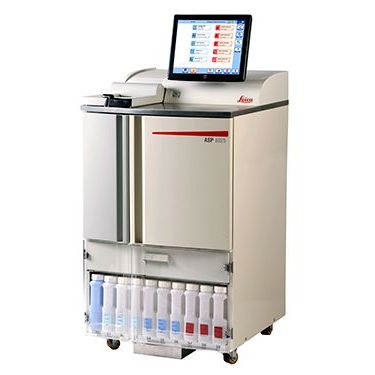 Focus on what’s critical: Quality, specimen safety, productivity. The ASP6025 supports diagnostic clarity thanks to an optimized reagent management system and validated processing protocols. Built-in safety features and reagent quality control deliver specimen protection and accurate processing results.
 -
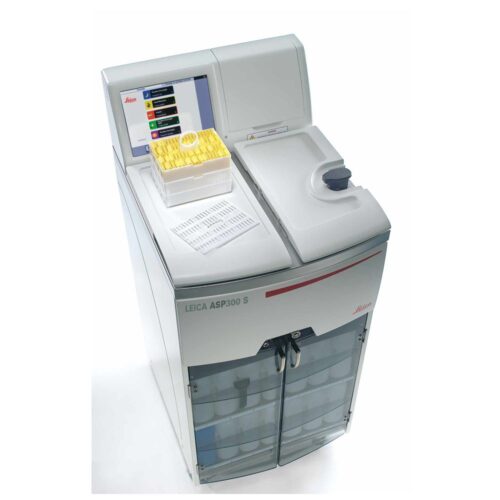 Designed for routine and research histopathology of up to 300 cassettes. Proven technology combined with top quality components. Optional RemoteCare diagnostic provide superior instrument reliability. Simplify user operations with an intuitive user interface, color touch screen and a variety of "smart" features. Improve specimen quality and laboratory economy with the Reagent Management System and quick start for commonly used programs.
 -
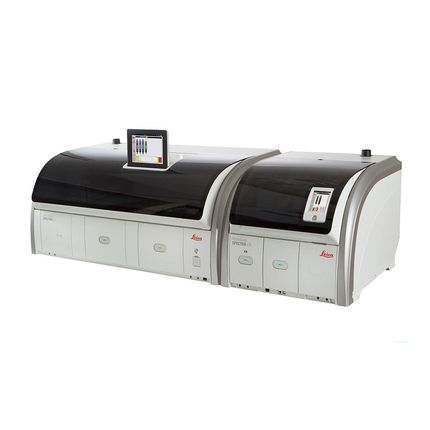 Your time matters. Speed up slide processing while maintaining quality and consistency with the HistoCore SPECTRA Workstation, the only workstation that provides consistent staining from slides 1 to 1,600. It also offers the fastest glass coverslipping drying time on the market at only 5 minutes, processing slides that are instantly dry to the touch.
 -
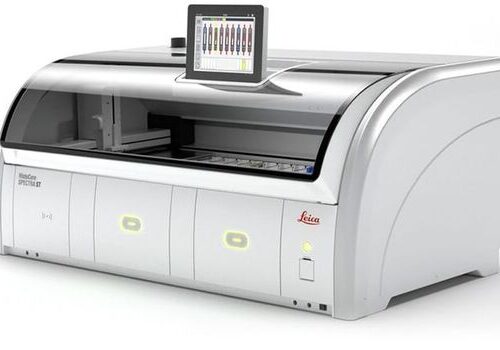 The HistoCore SPECTRA ST is a high throughput routine H&E stainer with the uncompromised flexibility to process H&E and special stains simultaneously by maintaining high throughput. The optimized and validated protocols with specifically designed consumables provide unmatched and consistent staining results for the wide range of intensities pathologists expect.
 -
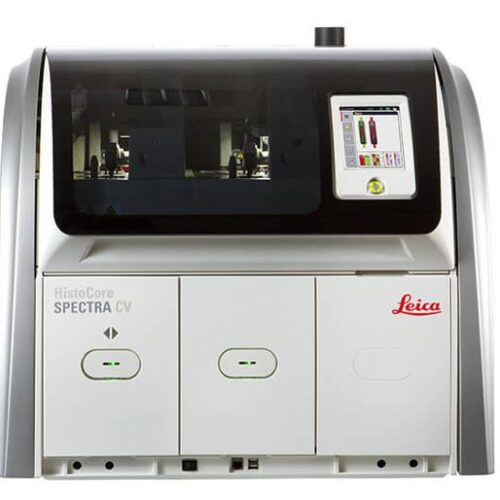 The first and only solution in the market with dual glass coverslip lines enabling the highest throughput: up to 570 dried slides per hour. With an integrated hot air-drying oven, it achieves a drying time of only 5 minutes, providing the fastest turnaround time for your lab.